
Thursday, 28 April 2016

Dunedin - Organ Pipes Walk from Mt Cargill
23 Nov 2015
Those days after exam are always fun. While anticipating for the graduation ceremony, we cherished every moment we have together in this lovely student town - Dunedin.
Driving 15 km away from the city centre, we reached the top of the Mount Cargill. Instead of hiking up to the hill, we climbed down to the Organ Pipes Walk. The breeze wind made us felt refreshing.
It was a perfect day for trekking with friends. We talked, we laughed, we enjoyed.
It took about 40 minutes to reach the Organ Pipes, the rocks in the formation of columnar basalt.
Then, you need to climb up the rocks to go to a big rock platform to enjoy the view.
Tips: Don't forget to apply your sunscreen to shield off the UV rays.
You need to be careful though. It definitely need a moderate level of physical strength. (Don't drink if you're going to climb it. lol). The wind up at the platform is quite strong but chilling. But, it definitely worth the climb.
Those days after exam are always fun. While anticipating for the graduation ceremony, we cherished every moment we have together in this lovely student town - Dunedin.
Driving 15 km away from the city centre, we reached the top of the Mount Cargill. Instead of hiking up to the hill, we climbed down to the Organ Pipes Walk. The breeze wind made us felt refreshing.
 |
| The view form the summit of Mount Cargill |
 |
| The another view showing Dunedin urban area - my second home |
It was a perfect day for trekking with friends. We talked, we laughed, we enjoyed.
 |
| The view of organ pipes from below (snapshot from website) |
Then, you need to climb up the rocks to go to a big rock platform to enjoy the view.
Tips: Don't forget to apply your sunscreen to shield off the UV rays.
You need to be careful though. It definitely need a moderate level of physical strength. (Don't drink if you're going to climb it. lol). The wind up at the platform is quite strong but chilling. But, it definitely worth the climb.
 |
| Better be safe than sorry |
 |
| Hi, I am Miss Happy |
 |
| The top view from the Organ Pipes |
 |
| A victory post on the organ pipes is a must! :) |
Wednesday, 27 April 2016
Snake bite - What should you do ?
The hot weather has become the topic on everybody's lip. Of course, we all should be aware of the risk of dehydration owing to the hot and humid weather. Drink more water, avoid sunlight exposure especially during mid afternoon where the sun is on top of your head.
Apart from dehydration, there is another problem. The hot and humid also "tortures" the cold-blooded reptiles. The scorching sun forced the snakes to come out from their comfort zones - the bushes and search for colder shelter such as shady areain the resident compounds, schools etc. indirectly, this poses an imminent threat of snake bites for human beings. In fact, today news has reported that there were 730 snake bites since Jan 2016 in Malaysia.
Afraid not, most snake bites are not life-threatening. Most of the snakes are not poisonous. Usually, a snake bite won't kill you if immediate medical attention is given. However, a bite from a venomous snake could be deadly.
How do we know if someone is bitten by a poisonous snake ?
 The answer is it is very hard to tell. (don't hit me!). However, usually a venomous snake bite will has less bleeding on the wound and the symptoms are more severe - causes someone to feel nauseated, numbness and suffer convulsions or become unconscious; whereas a non-poisonous snake bite causes more bleeding and more local reaction.
Overall, a snake bite will have quite significant pair of puncture marks, severe pain, redness and swelling around the wound. Worse, you may be nauseated, vomiting , blurry vision, changes in the skin colour and increased sweating or even have convulsion.

Here are some first-aid guide if you or someone around you is bitten by a snake.
 1. Reassure him/her, keep him/her calm and still (if you get nervous, the heart pump the blood faster, the venom may circulate faster in your blood).
2. Call the ambulance or send him/her to the hospital immediately depend on the severity (if the casualty is unconscious, ready to resuscitate him/her if breathing stops)
3. Usually the snake bite is on the legs, if that is the case, let the casualty lie down and keep the heart remains above the wounded part - eg put something as pillow for the casualty to lean on).
4. If possible, you can apply pressure above the wound with a bandage or cloth, immobilise the injury.
Here are some the reminders :
DO NOT try to slash the wound or suck out the venom. (I understand that some movie scene do illustrate these as the heroic acts in saving someone from dying from the poison. But, do not ever try it in the real world. You may poison yourself and even hurt the casualty more.)
Also, DO NOT apply tourniquet ( It may be used in the past, but it's proven not to do this anymore).
DO NOT try to catch or disturb the snake. If can, DO recognise the appearance of the snake (the best way to snap a photo of it), this may help wth the treatment - allow medical practitioners to give the correct venom.
In short, BE CAREFUL and alert of any signs of presence of snakes.
If there is a snake bite, CALL the ambulance or SEND the casualty to the hospital as soon as possible (for those in Malaysia, send them to the govt hospital as they have the anti-venom) . Do NOT hesitate.

Source of information :
1. First Aid Manual , St John Ambulance, St Andrew's Ambulance Association and the British Red Cross
2. Guidelines for the Clinical Management of Snake bites in the South-East Asia Region. www.medbox.org/guidelines-for-the...snake-bites.../download.pdf
3. The news about snake bite in Malaysia. http://www.freemalaysiatoday.com/category/nation/2016/04/27/730-snake-bite-cases-since-jan-1/
Apart from dehydration, there is another problem. The hot and humid also "tortures" the cold-blooded reptiles. The scorching sun forced the snakes to come out from their comfort zones - the bushes and search for colder shelter such as shady areain the resident compounds, schools etc. indirectly, this poses an imminent threat of snake bites for human beings. In fact, today news has reported that there were 730 snake bites since Jan 2016 in Malaysia.
Afraid not, most snake bites are not life-threatening. Most of the snakes are not poisonous. Usually, a snake bite won't kill you if immediate medical attention is given. However, a bite from a venomous snake could be deadly.
How do we know if someone is bitten by a poisonous snake ?
Overall, a snake bite will have quite significant pair of puncture marks, severe pain, redness and swelling around the wound. Worse, you may be nauseated, vomiting , blurry vision, changes in the skin colour and increased sweating or even have convulsion.
Here are some first-aid guide if you or someone around you is bitten by a snake.
1. Reassure him/her, keep him/her calm and still (if you get nervous, the heart pump the blood faster, the venom may circulate faster in your blood).2. Call the ambulance or send him/her to the hospital immediately depend on the severity (if the casualty is unconscious, ready to resuscitate him/her if breathing stops)
3. Usually the snake bite is on the legs, if that is the case, let the casualty lie down and keep the heart remains above the wounded part - eg put something as pillow for the casualty to lean on).
4. If possible, you can apply pressure above the wound with a bandage or cloth, immobilise the injury.
Here are some the reminders :
DO NOT try to slash the wound or suck out the venom. (I understand that some movie scene do illustrate these as the heroic acts in saving someone from dying from the poison. But, do not ever try it in the real world. You may poison yourself and even hurt the casualty more.)
Also, DO NOT apply tourniquet ( It may be used in the past, but it's proven not to do this anymore).
DO NOT try to catch or disturb the snake. If can, DO recognise the appearance of the snake (the best way to snap a photo of it), this may help wth the treatment - allow medical practitioners to give the correct venom.
In short, BE CAREFUL and alert of any signs of presence of snakes.
If there is a snake bite, CALL the ambulance or SEND the casualty to the hospital as soon as possible (for those in Malaysia, send them to the govt hospital as they have the anti-venom) . Do NOT hesitate.
Source of information :
1. First Aid Manual , St John Ambulance, St Andrew's Ambulance Association and the British Red Cross
2. Guidelines for the Clinical Management of Snake bites in the South-East Asia Region. www.medbox.org/guidelines-for-the...snake-bites.../download.pdf
3. The news about snake bite in Malaysia. http://www.freemalaysiatoday.com/category/nation/2016/04/27/730-snake-bite-cases-since-jan-1/
Tuesday, 26 April 2016
Proton Pump Inhibitors (PPI) - Swallow them whole
In previous post, I mentioned about the importance of not chewing some capsules or tablets. Instead , swallow them.

One of the most common examples I want to talk about today is those medicines come under the class, called proton pumps inhibitors (PPI) .
PPIs are frequently prescribed worldwide, for instance, omeprazole, pantoprazole, lansoprazole; and also esomeprazole and dexlansoprazole.PPIs are used to lower the gastric acid level in the stomach, relieving the symptoms of indigestion and heartburn. PPIs act by inhibiting the proton pumps of the parietal cells, stopping the release of acid into the stomach , thereby suppressing the acid level in the stomach. It's not surprising at all that a lot of people nowadays, suffering from indigestion or heartburn. In fact, these are one of the most common disorders observed from day-to-day life.This is probably due to the modern lifestyle of the people nowadays - skipping meals, rushing their meals, taking meals at irregular times, overeating, under stress all the time, binging...
PPIs are not the first line of the treatment for indigestion and heartburn. Usually , antacids and alginates (eg Gaviscon) are the first line for mild symptoms of heartburn or indigestion, followed by H2 antagonist (eg Zantac [ranitidine]).
PPIs are prescribed for those who have moderate to severe indigestion or heartburn when antacids, alginates or H2 antagonists do not work well.
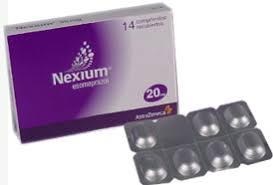


Your doctor or pharmacist should have told you to SWALLOW the capsule whole 30 minutes before breakfast (or meals).
However, I found out that some of the people are not or not being able to follow the instruction, especially for those elderly people or those who have difficulty in swallowing the capsule.
PPI is an enteric coated capsule with granules inside the capsule, storing the active drug.
Let me briefly explain why we should swallow this capsule (PPI) whole instead of chewing them into pieces. PPI is produced as a capsule containing enteric-coated granules , which means it is designed in a formulation that the granules are not broken down in the stomach. This is because omeprazole(the active drug) is acid labile - once it is released into the acidic environment in the stomach, it will be quickly inactivated. So, you wont be able to get rid of the symptoms as quickly as desired or need a higher dosage to relieve the burning sensation, nausea and even vomiting resultant off heartburn or indigestion, even after you take the medicine! Simply it is because the medicine is not absorbed into your body.
Why should we take before meal (or breakfast)?
The same reason as above. When we eat, the food mix with the acid in the stomach , rendering the pH of the stomach higher (becomes less acidic). The enteric coated tablet is designed to dissolves at a higher pH environment - above pH6 ( which is the small intestine) for absorption. However, if the pH in the stomach is increased, the enteric coated will dissolve in the stomach before reaching the small intestine for absorption. Again, once the active drugs are exposed to the acidic environment, they will be rapidly deactivated by the acid in the stomach.
Well then, what could we do or how can we help those elderly, kids or those who have problems in swallowing the capsule?
Here is the simple way - you can open the capsules and empty the granules inside the capsule into the acidic food o drinks. For instance place the granules into the yogurt, mixing them and swallow the much smaller granules without chewing them. Or you can swallow the granules with acidic drinks such as orange or lime juice. Easy? :) (Doing all these steps are to protect the granules from exposing to the acidic environment).
The alternative is that you can ask the doctor or pharmacist to prepare the omeprazole suspension for you. :) Or worse case, administer through nasogastric and jejunostomy tubes.
In summary,
****SWALLOW the capsule (PPI) whole 30 minutes before breakfast (or meals).*******
Follow the instruction and get the most benefit out of this medicine. :)
P/S: Even you're taking the medicine to relieve your symptoms, remember that changing your lifestyle is the way to get rid of these annoying symptoms.
- Take your meals on regular basis, eat slowly and don't skip meals.
- Avoid too much fatty or spicy foods and reduce the amounts of alcohol and caffeine intake.
- Do exercises to lose weight.
Suggestion on further info about PPI :
http://patient.info/health/proton-pump-inhibitors
One of the most common examples I want to talk about today is those medicines come under the class, called proton pumps inhibitors (PPI) .
PPIs are frequently prescribed worldwide, for instance, omeprazole, pantoprazole, lansoprazole; and also esomeprazole and dexlansoprazole.PPIs are used to lower the gastric acid level in the stomach, relieving the symptoms of indigestion and heartburn. PPIs act by inhibiting the proton pumps of the parietal cells, stopping the release of acid into the stomach , thereby suppressing the acid level in the stomach. It's not surprising at all that a lot of people nowadays, suffering from indigestion or heartburn. In fact, these are one of the most common disorders observed from day-to-day life.This is probably due to the modern lifestyle of the people nowadays - skipping meals, rushing their meals, taking meals at irregular times, overeating, under stress all the time, binging...
PPIs are not the first line of the treatment for indigestion and heartburn. Usually , antacids and alginates (eg Gaviscon) are the first line for mild symptoms of heartburn or indigestion, followed by H2 antagonist (eg Zantac [ranitidine]).
PPIs are prescribed for those who have moderate to severe indigestion or heartburn when antacids, alginates or H2 antagonists do not work well.
Your doctor or pharmacist should have told you to SWALLOW the capsule whole 30 minutes before breakfast (or meals).
However, I found out that some of the people are not or not being able to follow the instruction, especially for those elderly people or those who have difficulty in swallowing the capsule.
PPI is an enteric coated capsule with granules inside the capsule, storing the active drug.
Let me briefly explain why we should swallow this capsule (PPI) whole instead of chewing them into pieces. PPI is produced as a capsule containing enteric-coated granules , which means it is designed in a formulation that the granules are not broken down in the stomach. This is because omeprazole(the active drug) is acid labile - once it is released into the acidic environment in the stomach, it will be quickly inactivated. So, you wont be able to get rid of the symptoms as quickly as desired or need a higher dosage to relieve the burning sensation, nausea and even vomiting resultant off heartburn or indigestion, even after you take the medicine! Simply it is because the medicine is not absorbed into your body.
Why should we take before meal (or breakfast)?
The same reason as above. When we eat, the food mix with the acid in the stomach , rendering the pH of the stomach higher (becomes less acidic). The enteric coated tablet is designed to dissolves at a higher pH environment - above pH6 ( which is the small intestine) for absorption. However, if the pH in the stomach is increased, the enteric coated will dissolve in the stomach before reaching the small intestine for absorption. Again, once the active drugs are exposed to the acidic environment, they will be rapidly deactivated by the acid in the stomach.
Here is the simple way - you can open the capsules and empty the granules inside the capsule into the acidic food o drinks. For instance place the granules into the yogurt, mixing them and swallow the much smaller granules without chewing them. Or you can swallow the granules with acidic drinks such as orange or lime juice. Easy? :) (Doing all these steps are to protect the granules from exposing to the acidic environment).
The alternative is that you can ask the doctor or pharmacist to prepare the omeprazole suspension for you. :) Or worse case, administer through nasogastric and jejunostomy tubes.
In summary,
****SWALLOW the capsule (PPI) whole 30 minutes before breakfast (or meals).*******
Follow the instruction and get the most benefit out of this medicine. :)
P/S: Even you're taking the medicine to relieve your symptoms, remember that changing your lifestyle is the way to get rid of these annoying symptoms.
- Take your meals on regular basis, eat slowly and don't skip meals.
- Avoid too much fatty or spicy foods and reduce the amounts of alcohol and caffeine intake.
- Do exercises to lose weight.
Suggestion on further info about PPI :
http://patient.info/health/proton-pump-inhibitors
Subscribe to:
Comments (Atom)